Tea + forest day
Longjing tea village & Matcha Lake
Green tea in the morning, green water in the afternoon. Longjing’s terraces and the Qingshan Lake Water Forest are both west-side scenery, and they string together into one of Hangzhou’s most relaxed days out.
Last updated · How we keep this current
Short answer
Can you pair Longjing tea village with Matcha Lake in a day?
Quick facts
- Theme of the day
- Tea culture + green water
- Time needed
- A full, unhurried day
- Easiest transport
- Private driver for the day
- Tea museum
- Nearby, usually free
- Green water
- Seasonal — not guaranteed
The day at a glance
- MorningLongjing tea village & terraces~2 hrs
- Late morningChina National Tea Museum~1 hr
- MiddayLunch, then drive west~1 hr drive
- AfternoonQingshan Lake Water Forest~2 hrs
- EveningReturn to Hangzhou~1 hr drive
Rough planning times only — how long you linger over tea and how the traffic runs will move them around.
Why tea and forest belong on the same day
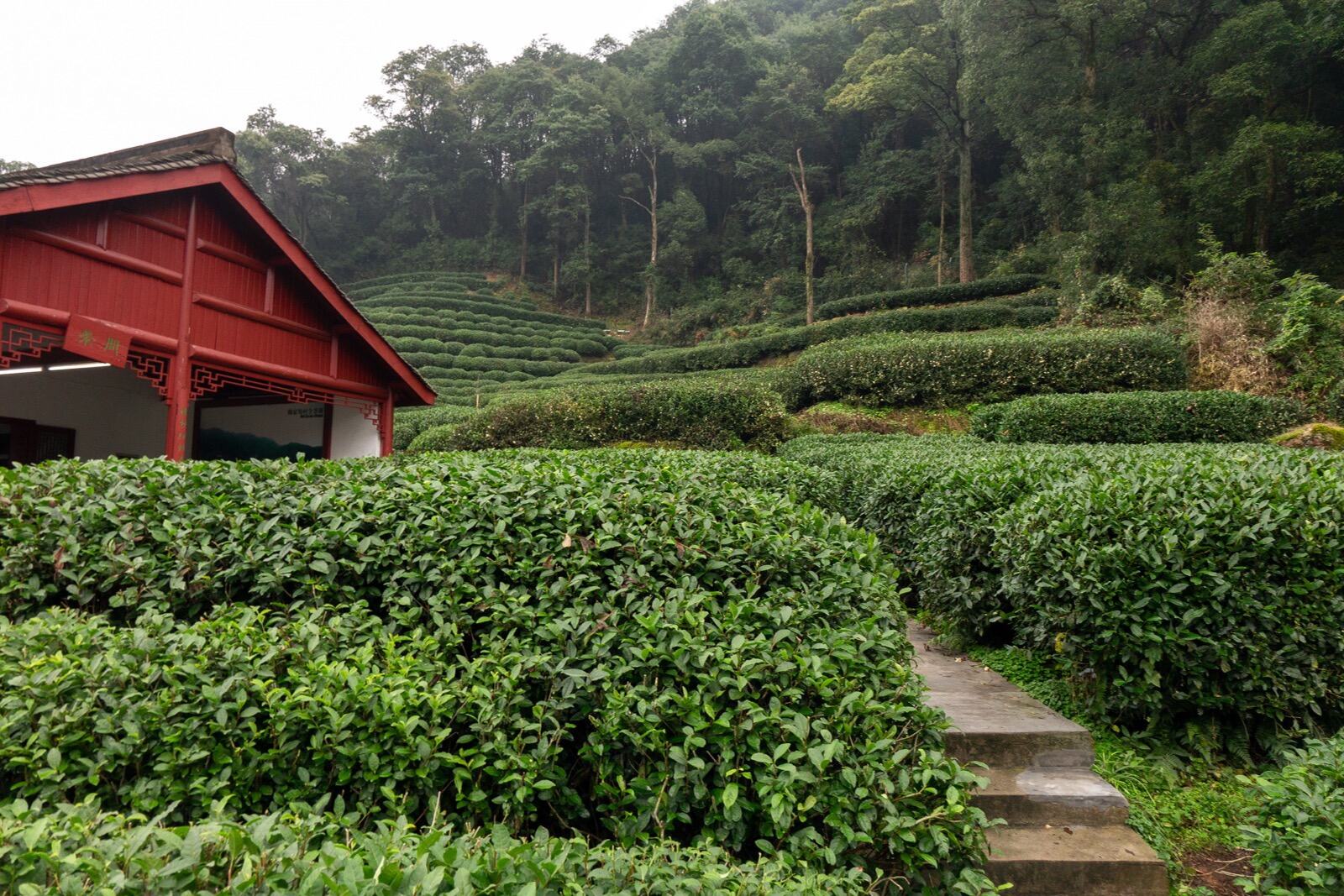
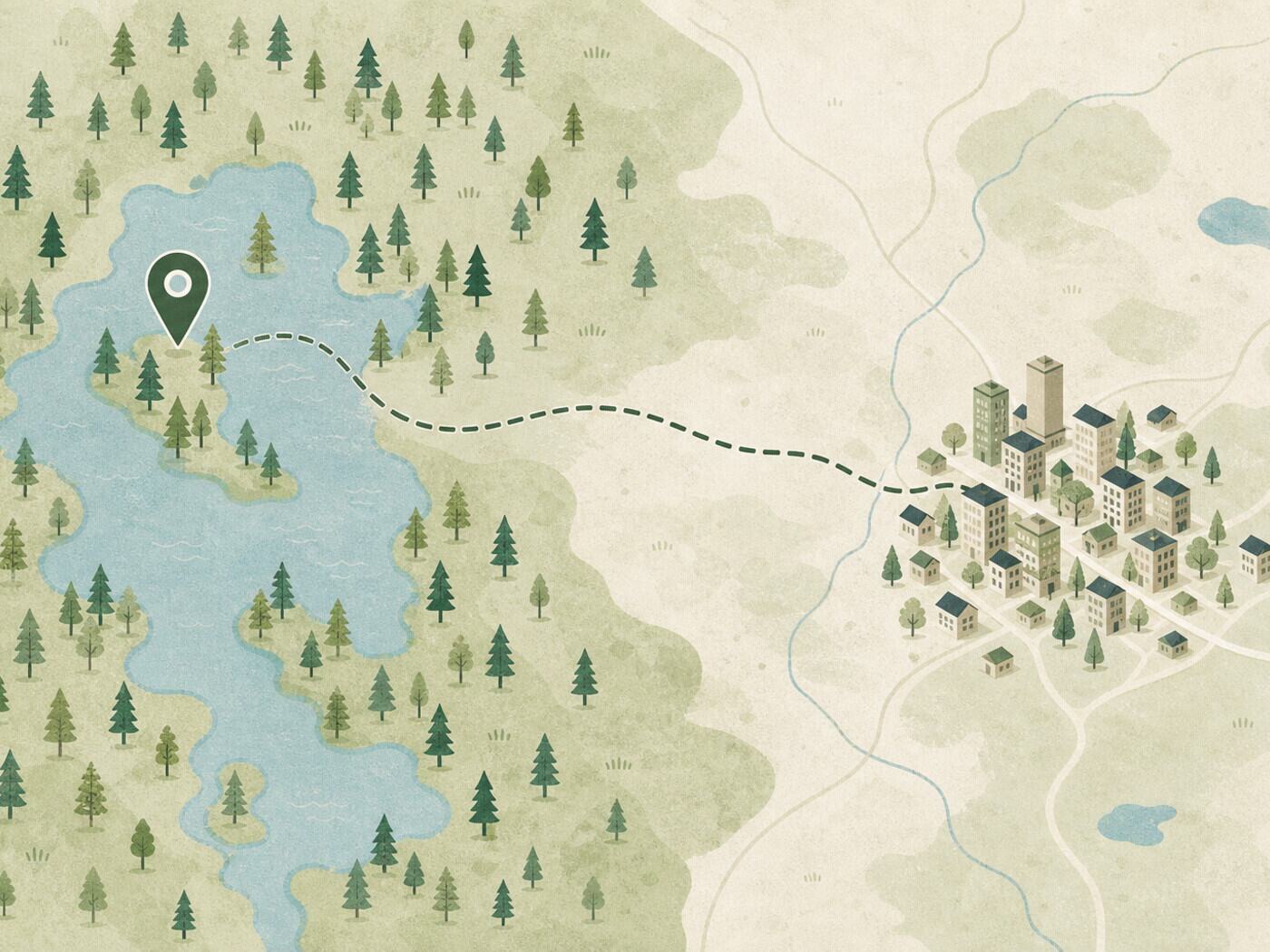
Longjing — Dragon Well — is both Hangzhou’s most famous green tea and the cluster of villages that grow it, tucked into terraced hills just southwest of West Lake. It’s already pointed out of the city toward the west, the same direction as the Lin’an hills and the water forest. Rather than fight the city traffic twice, you can spend a slow morning in the tea terraces and roll on westward to the forest for the afternoon. The two halves rhyme, too: one is green tea, the other green water, and both reward an unhurried pace over a checklist.
The tea-village morning
Start early enough to walk the lanes and part of the terraces before the day warms up. The pleasure here isn’t a single monument; it’s the setting — rows of clipped tea bushes climbing the slopes, small tea houses where you can sit for a cup of Longjing pan-roasted where it’s picked, and quiet paths above the village. If you want the story behind the leaf, the China National Tea Museum is close by, set in gardens and usually free to enter, and it fills a comfortable hour before lunch. Buying tea directly in the village is part of the experience, though prices vary widely, so taste before you commit.
The drive out to the forest
After lunch, the day turns toward Lin’an and the water forest, roughly an hour by car. This is the leg where doing it independently gets fiddly — the tea hills and the forest aren’t linked by any convenient public transport, so buses would cost you the afternoon. A private driver for the day is the sane option: you set the pace in the terraces, eat when you like, and arrive at the forest with plenty of afternoon left. It also lets you combine other west-side stops if you want a fuller loop.
The forest in the afternoon
Spend the afternoon on the boardwalks among the tall metasequoia trees rising from still water. In the warmer, greener months a fine duckweed can spread across the surface and give it the matcha-green look the place is nicknamed for — but the colour is seasonal and weather-dependent, so it’s never guaranteed. Even without a deep-green day, the mirrored trees and the quiet are worth the trip. Head back toward the city before the light fades. For the site in detail, see the water forest guide, and to time the colour, the best time to visit.
Tea village tours & drivers
This section contains affiliate links. We may earn a commission if you book — at no extra cost to you. More
Mistakes to avoid
- Treating the tea village as a single photo stop — its charm is the slow walk through the terraces, so give it real time.
- Buying the first tea you’re offered. Prices vary a lot; taste before you commit.
- Trusting public transport for the tea-hills-to-forest leg. It’s the weak link; a driver keeps the day whole.
- Planning the day around guaranteed green water. The colour is seasonal, so make the tea-and-scenery day the point and take the green as a bonus.
- Leaving the forest too late and driving back to the city in the dark.