Skip to content
Matcha Lake

Do you need a visa?

Do I need a visa to visit China?

China has opened up a lot for tourists. Many travellers can now visit Hangzhou without a visa at all — here’s how the visa-free schemes work, who qualifies, and why you should still double-check your own case.

Last updated · How we keep this current

Short answer

Do I need a visa to visit China?

For many nationalities, no longer necessarily. Two schemes now cover most visitors to Hangzhou: 240-hour visa-free transit (for travellers passing through to a third country) and a 30-day visa-free arrangement for a growing list of countries. Zhejiang, where Hangzhou sits, is an eligible region. Whether you qualify depends on your passport, your route and how long you’re staying — so treat this as a starting point and confirm your exact case with a Chinese embassy before you book.

Quick facts

Two main routes
240-hour transit · 30-day visa-free
Transit limit
Up to 240 hours (10 days)
Region
Zhejiang / Hangzhou is eligible
Transit needs
Onward ticket to a third country
Passport validity
Usually 3+ months
Golden rule
Verify your nationality’s current rules

What changed — and why it matters

China has steadily widened visa-free access, and for a Hangzhou trip that’s the single biggest change in years: a lot of travellers who once needed a tourist visa can now simply fly in. There are two routes that matter for most visitors — a transit scheme and a straight visa-free stay — and they work differently. The catch is that eligibility, time limits and entry points are set by nationality and change with policy, so the details below are guidance, not a guarantee for your passport.

The two routes at a glance
240-hour visa-free transit30-day visa-free
Who it’s forTravellers passing through China to a third country/regionNationals of countries with a visa-free arrangement, visiting China directly
How longUp to 240 hours (10 days)Up to 30 days
Onward third-country ticket?Yes — generally requiredNo
Covers Hangzhou?Yes — Zhejiang is an eligible regionYes
Best whenChina is a stop between two other placesChina is your main destination

A simplified summary as of 2026. Eligible countries, ports of entry and time limits change — confirm the current rules for your nationality with an official Chinese embassy or consulate.

240-hour visa-free transit

Under the transit scheme, eligible travellers can stay in China for up to 240 hours — ten days — without a visa, as long as they’re travelling onward to a different third country or region and enter through a designated port. It now covers a long list of countries (including the US, UK, most of Europe, Australia, New Zealand, Japan, South Korea and more) and many provinces, Zhejiang among them. The key requirement people forget is the onward ticket: you generally need proof of a confirmed departure to a third country within the window.

30-day visa-free

Separately, China offers visa-free entry of up to 30 days to nationals of a growing list of countries. If yours is on it, this is usually the simpler option for a dedicated China trip: there’s no onward-third-country condition, so you can fly in, spend time in Hangzhou and the region, and fly home. Because the eligible-country list has been expanding, it’s worth checking whether your passport now qualifies even if it didn’t a year or two ago.

Which one is for you?

If China is one leg of a bigger trip — say you’re flying London → Hangzhou → Bangkok — the transit scheme fits, and ten days is plenty for Hangzhou plus a neighbour like Shanghai or Suzhou. If China is your main destination and your country has the 30-day arrangement, take that route; it’s less fiddly. If neither applies to your nationality, you’ll need a standard tourist visa, which is a longer process to start well before you travel.

Arrive ready

Sorting the visa question is step one; step two is landing able to actually function. China runs on apps — maps, ride-hailing, translation and mobile payments — and they’re far easier to set up before you fly than after. The two things worth having working the moment you land are a data connection (an eSIM) and a mobile-payment method, so you’re not stuck at the airport with a working visa but no way to book a car or pay for lunch.
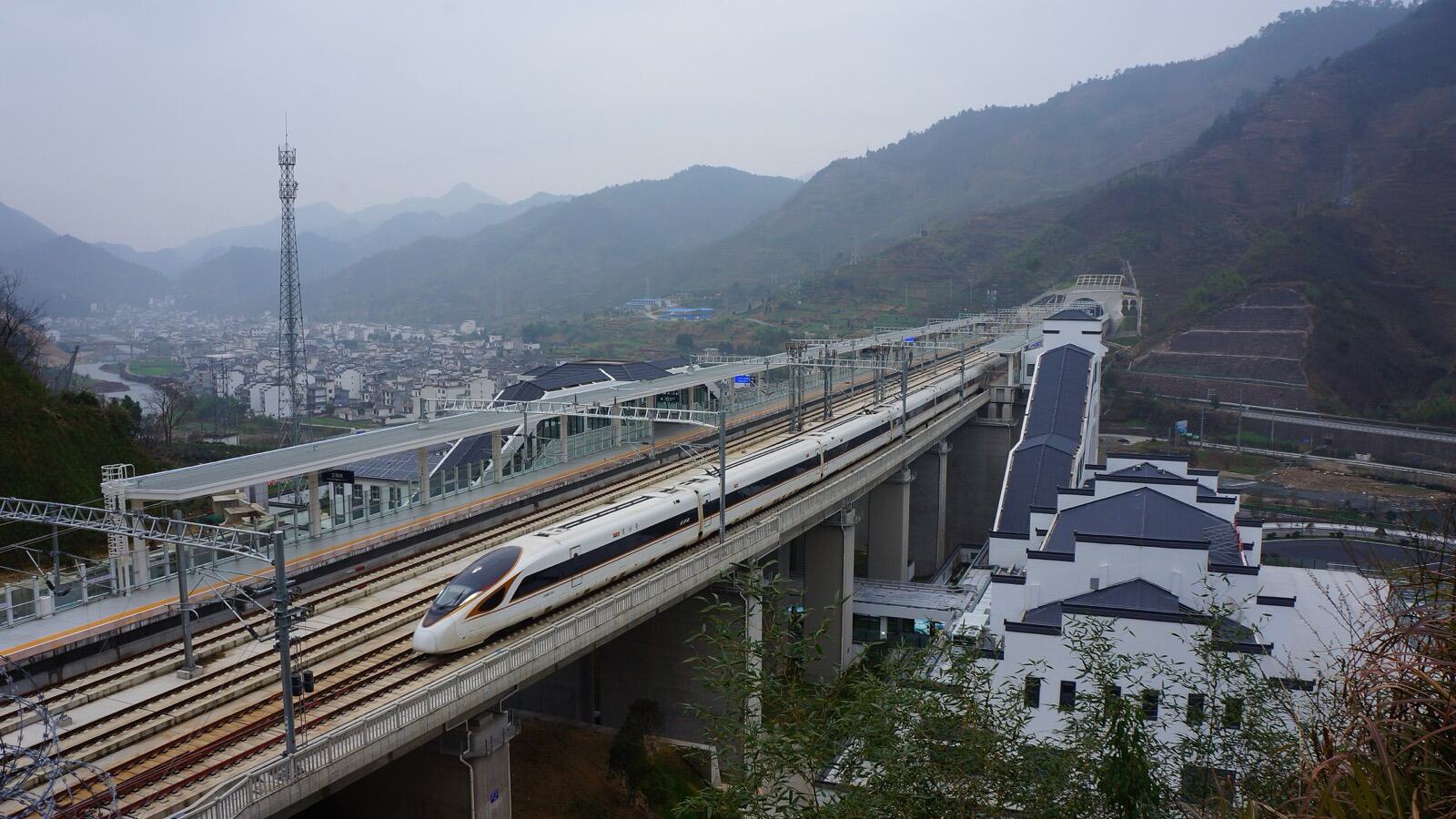
A high-speed train at a Hangzhou railway station platform
High-speed rail makes Hangzhou an easy arrival from Shanghai. — Photo: MNXANL · Wikimedia Commons · CC BY-SA 4.0

Before you fly

Get set up before you fly

  1. 1Install a China-ready eSIM before you fly, so you land already connected.
  2. 2Download your maps and translation apps in advance and test them.
  3. 3Set up a mobile-payment app and link a card, with some backup cash.
  4. 4Save offline copies of key addresses and bookings — in Chinese too.

This section contains affiliate links. We may earn a commission if you book — at no extra cost to you. More

This section contains affiliate links. We may earn a commission if you book — at no extra cost to you. More

Travel medical insurance

SafetyWing
Best for
Independent and longer-stay travellers who want flexible medical cover for the trip.
Why it's useful
A single flexible policy can cover a multi-week China trip and extensions if plans change.
Check before booking
Read what is and isn’t covered for your age, activities and home country before buying.

Terms, pricing and eligibility vary by country and change over time — confirm current details.

Mistakes to avoid

  • Assuming the rules are the same for every passport — eligibility and time limits are set by nationality.
  • Forgetting the onward ticket. The 240-hour transit scheme generally needs a confirmed onward flight to a third country.
  • Reading old advice. The country lists have expanded recently, so check a current, official source.
  • Sorting the visa but not the phone. Set up your data and payment apps before you fly, not after you land.
  • Cutting passport validity fine — you usually need several months left on it.

Frequently asked questions

Do I need a visa to visit Hangzhou?
Many nationalities can now enter China without a visa under either the 240-hour visa-free transit scheme or a 30-day visa-free arrangement, and Hangzhou (Zhejiang) sits within an eligible region. Whether you qualify depends on your passport, your route and how long you are staying — confirm your exact case with a Chinese embassy or consulate before you book.
What is the 240-hour visa-free transit?
It lets eligible travellers transit China for up to 240 hours (10 days) without a visa, provided you are travelling on to a third country or region and enter through a designated port. It covers many provinces, including Zhejiang. You generally need proof of an onward ticket within the time limit.
Transit or 30-day visa-free — which applies to me?
If your country has a 30-day visa-free arrangement and you are only visiting China, that is usually simpler — there is no onward-third-country requirement. The 240-hour transit suits trips where China is a stop between two other places. Which one applies depends on your nationality, so check both.
Do I need an onward ticket?
For the visa-free transit scheme, generally yes — you need a confirmed ticket onward to a third country or region within the allowed time. A 30-day visa-free stay works differently. Rules change and are enforced at the border, so verify the current requirements for your nationality before travelling.

Keep planning

Start hereMatcha Lake Hangzhou guideStart with the main guide to the green-water forest near Hangzhou.