Best time to visit
Best time to visit: when Matcha Lake looks green
When the water actually reads green, when the light is best, and how to dodge the crowds — with the honest caveat that the colour is never guaranteed.
Last updated · How we keep this current
Short answer
When is the best time to visit Matcha Lake?
Is it green right now?
Green season: roughly June to October
Typical pattern, not a guarantee. It shifts with each year’s weather. Season guide
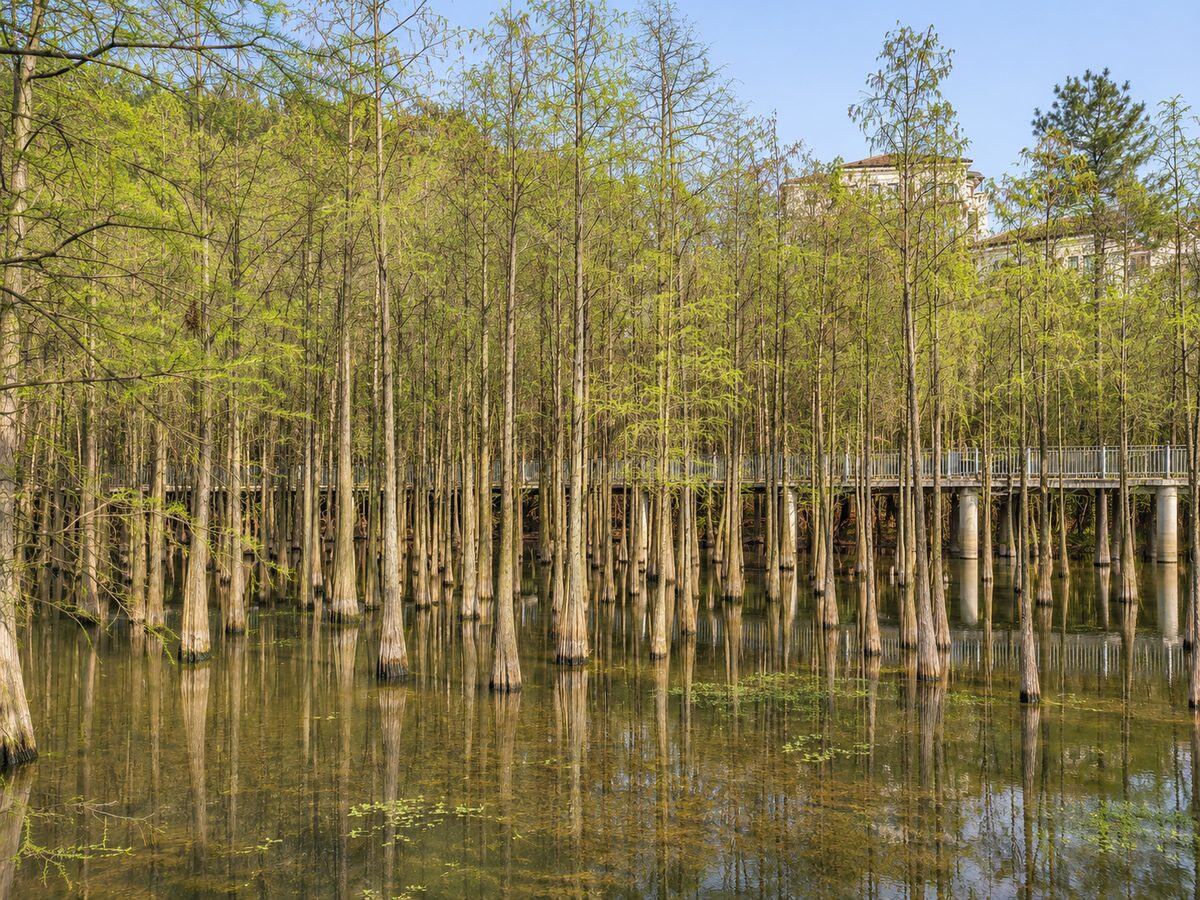
Spring
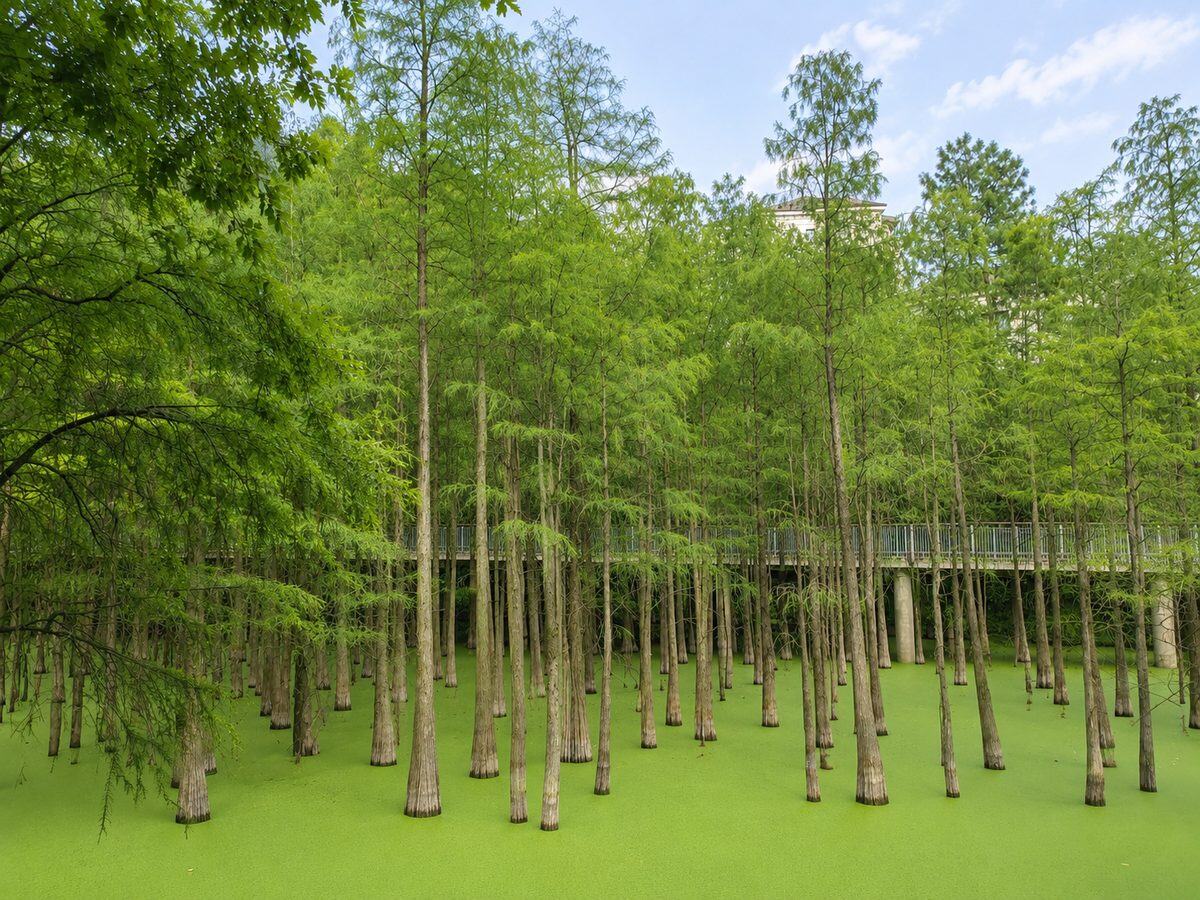
Summer
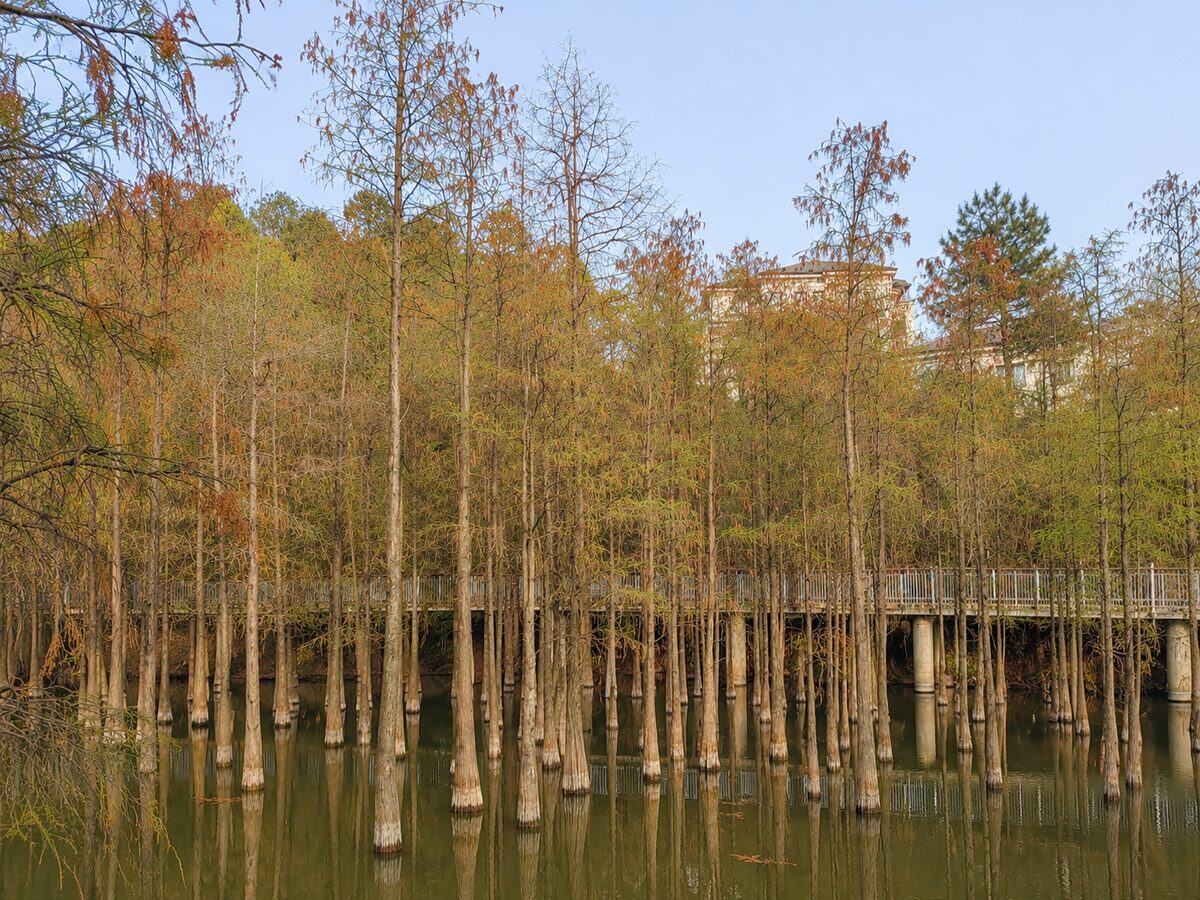
Autumn
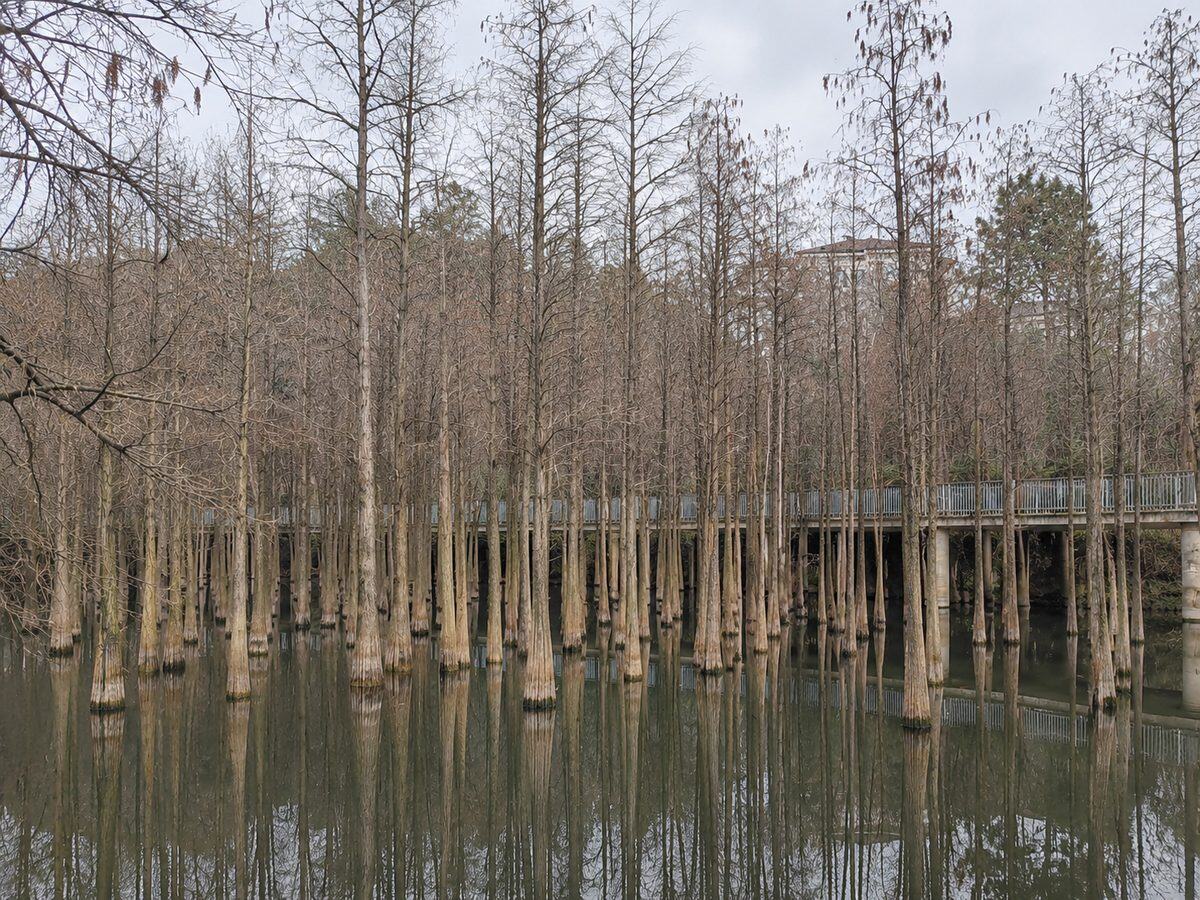
Winter
Season images are AI-generated illustrations of the typical look, not photographs.
Quick facts
- Also known as
- “Matcha Lake” (nickname)
- Region
- Lin’an District, Zhejiang
- Greenest season
- Roughly June–October (not guaranteed)
- Autumn colour
- Rust-red needles ~mid-Nov to mid-Dec
- Best time of day
- Early morning, calm and soft
- Best days
- Weekdays; avoid public holidays
The greenest season
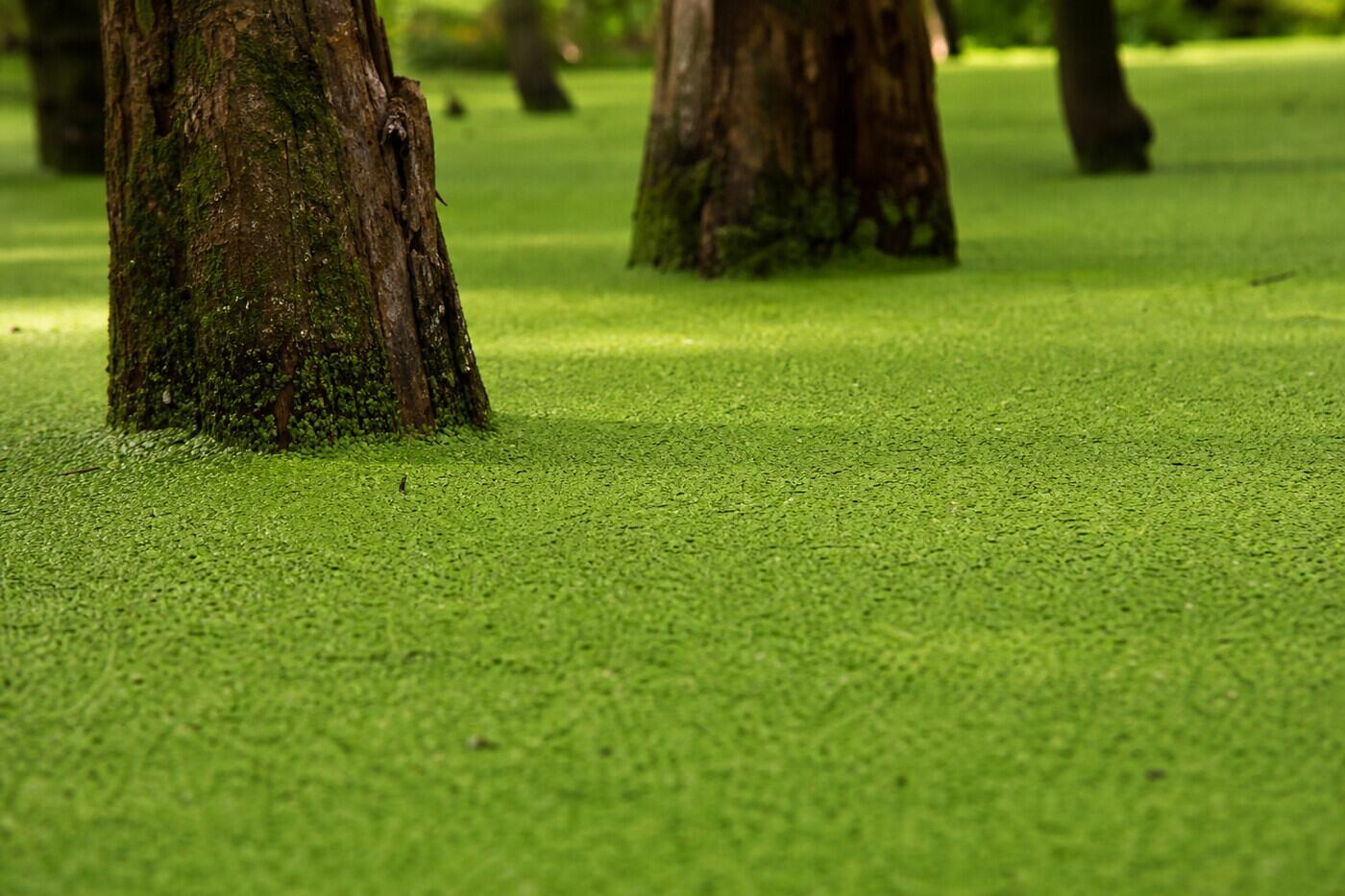
The tea-green colour is seasonal because it is alive. In warm weather the tiny floating water plants and algae that create it multiply and spread into a continuous carpet; as temperatures fall they die back and the effect goes with them. In practice that means the water reads most green from roughly June through October, then fades, and looks muted or clear in the cold months.
We keep saying “roughly” on purpose. The exact peak shifts year to year with temperature and rainfall, and a cool spring or a hot, dry spell can move it by weeks — a June visit sometimes finds the green still filling in. Nobody, including us, can promise the matcha look for a particular date. The single most useful thing you can do is look at very recent photos or local social posts for your travel window, rather than trusting last year’s pictures.
A second season: autumn colour
The green isn’t the only reason to come. For roughly a month from mid-November, the bald cypress and dawn-redwood needles turn rust-red and bronze before they drop — a completely different, warmer palette mirrored in the now-clear water. It’s a quieter, less-photographed season than the matcha green, but a lovely one if your dates fall in late autumn rather than summer. As ever, the exact turn shifts with the weather, so check recent photos.
The best time of day
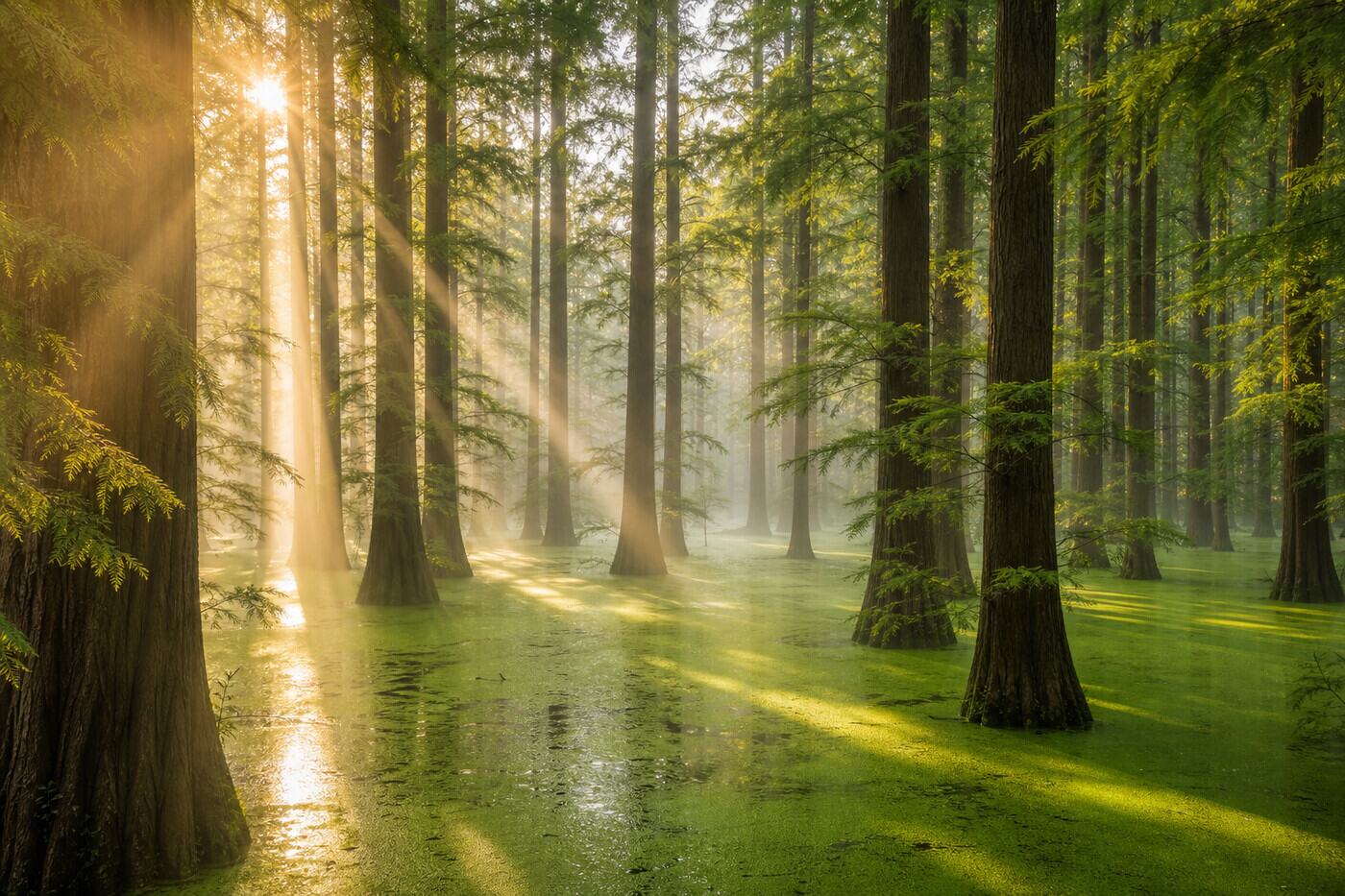
Season decides whether the green is there at all; time of day decides how good it looks. Early morning is the sweet spot on almost every count. The water is at its calmest before the day’s activity, which gives you clean mirror reflections; the light is soft and low, which flatters the trees far more than harsh overhead sun; and you share the boardwalks with fewer people, so it is easier to get an unobstructed frame.
Midday is the weakest window: hard light flattens the scene and the surface is more likely to be disturbed. If an early start is the price of the version of this place worth seeing, we think it is worth paying — a private driver who can leave at dawn is one reason people choose that option over a fixed-departure group tour.
Crowds: which days to choose
This is a domestic-tourism favourite, so the crowd swings are large. Weekdays are calmer than weekends, and the difference is sharpest in the green season, when weekend mornings can get genuinely busy. The times to avoid if you possibly can are the major Chinese public holidays — the national-day and spring holiday periods especially — when popular scenic spots across the country fill up and getting a clear photo becomes a small battle.
If your dates are fixed and they fall on a busy period, lean even harder on arriving early: being among the first through the gate buys you both the light and the space.
Weather, and why grey isn’t bad news
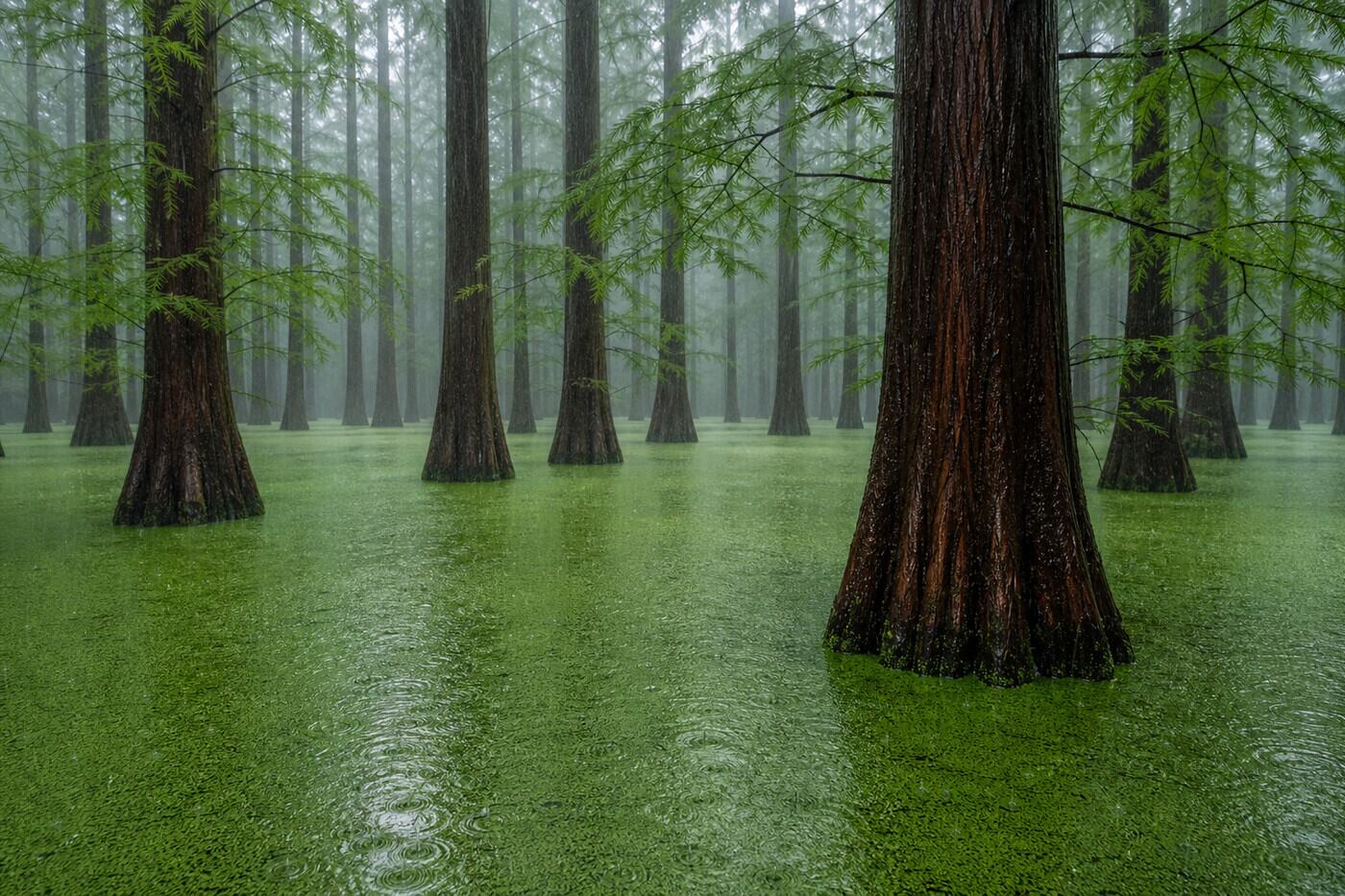
Bright blue skies are not actually the ideal here. Overcast and misty conditions can make the green read more deeply than glaring sun, and a little haze over the water adds atmosphere rather than ruining it. Light rain is manageable — the boardwalks are the main event and an umbrella handles it — though heavy weather is worth checking, both for comfort and because it can affect access and any on-the-water options.
The takeaway is not to write off a grey forecast. Some of the moodiest, most saturated images of the water forest come from soft, cloudy mornings rather than postcard sunshine.
Plan the timing with a driver
Getting there early is half the battle. A private driver who can leave at dawn gives you the calm-morning window these tips depend on.
This section contains affiliate links. We may earn a commission if you book — at no extra cost to you. More
- Our pick, GetYourGuideWater forest day trip from HangzhouFirst-time visitors who want transport, timing and the water forest handled in one booking.Check dates (opens GetYourGuide in a new tab)
- KlookPrivate driver for the dayFamilies, photographers and small groups who want to leave at dawn, control the timing, and combine several west-side stops.View (opens Klook in a new tab)
Frequently asked questions
When does Matcha Lake look most green?
What time of day is best?
How do I avoid the crowds?
Keep planning
Start hereMatcha Lake Hangzhou guideStart with the main guide to the green-water forest near Hangzhou.- The water forest guideWhat to expect on site.
- Photography guideGet the green to read well.
- How to get therePlan the trip out.
- Hangzhou weather by monthThe wider city climate.